Neighbourhood Guide · Updated June 2026

Flamenco in Triana — Seville's Birthplace of the Art

Across the river from the tourist tablaos, the old Gitano quarter is where flamenco was born — and where it's still danced late into the night. Here's how to find it.

Flamenco in Triana runs deeper than anywhere else in Seville: this old Gitano quarter across the river is where the art was born. See it at Baraka or Teatro Triana — or chase a spontaneous late-night session on Calle Betis.

Flamenco in Triana, Seville Editorial banner reading Where Flamenco Was Born, Triana Seville, with the Triana bridge arches over the river. TRIANA · SEVILLE · BIRTHPLACE OF FLAMENCO Where Flamenco Was Born The Gitano quarter across the Guadalquivir — raw, riverside, alive after dark.

Key Takeaways

  • Triana is flamenco's birthplace — the art took shape c.1750–1850 in the barrio's Gitano patios, alongside Jerez and Cádiz.
  • Book a show: Baraka Sala Flamenca (★4.8, €27, drink included) and Teatro Flamenco Triana (★4.7, €25) run nightly.
  • Find it live: the bars along Calle Betis — El Rejoneo, Lo Nuestro — host spontaneous flamenco most nights.
  • Casa Anselma is the legendary late-night bar: Calle Pagés del Corro, after ~11:30pm, no sign, no cover — just buy a drink.
  • Triana is also worth it by day: the market over the old Inquisition castle, ceramics, and river views from the Puente de Isabel II.
  • Flamenco is UNESCO Intangible Cultural Heritage (2010) — and Triana is its spiritual heart.

Why is Triana the birthplace of flamenco?

Cross the Guadalquivir and you leave the polished tablaos behind for the place the art actually came from. Flamenco took shape roughly between 1750 and 1850 in the Romani — Gitano — patios of Triana, together with Jerez de la Frontera and the gypsy quarters of Cádiz. Triana remained Seville's gitano quarter until the 1950s, and the families here shaped flamenco's three strands — song (cante), dance (baile) and guitar (toque) — into a language for their joy and their hardship.

That heritage is why the Andalusia tourism board and UNESCO treat flamenco as living culture rather than spectacle. In Triana it still feels that way: less a show staged for visitors, more an art that breaks out in a back-street bar near midnight. If you've seen a tablao in Santa Cruz, Triana is the other half of the story.

Two Ways In

Where can you see flamenco in Triana?

Where to see flamenco in Triana Book a show: Baraka Sala Flamenca, 27 euros, drink included; Teatro Flamenco Triana, 25 euros. Find it live: Calle Betis bars such as El Rejoneo and Lo Nuestro, nightly; Casa Anselma on Calle Pagés del Corro, after 11:30pm, no cover charge. Two Ways to See Flamenco in Triana BOOK A SHOW Reliable · guaranteed · ticketed Baraka Sala Flamenca ★ 4.8 · €27 · a drink included Teatro Flamenco Triana ★ 4.7 · €25 · theater production Best for first-timers and anyone who wants a guaranteed seat. FIND IT LIVE Spontaneous · local · free entry Calle Betis bars El Rejoneo · Lo Nuestro · nightly Casa Anselma Pagés del Corro · after 11:30pm No cover charge — just buy a drink. No reservations, no photos.
Two routes to flamenco in Triana: a ticketed show for certainty, or a riverside bar for raw, unpredictable atmosphere.

Bookable in Triana

Which flamenco shows in Triana can you book?

Riverside Tablao · Drink Included

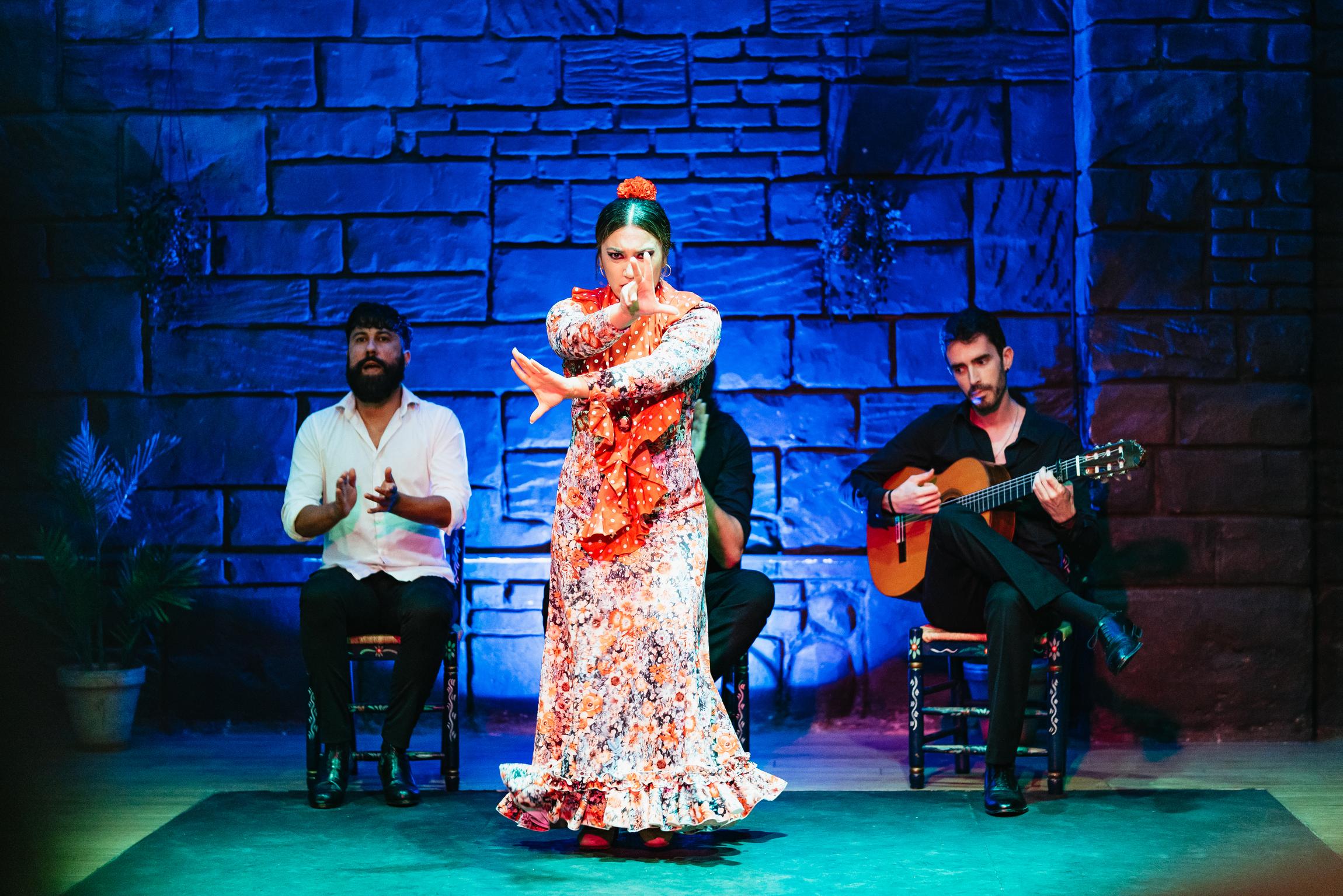
Baraka Sala Flamenca

Baraka Sala Flamenca — flamenco show in Triana on the banks of the Guadalquivir with a drink included
★ 4.81,874 reviews€27

An intimate room on the Triana bank, named after a local legend, with four artists up close and one drink included. The most accessible "local-feeling" tablao in the birthplace neighbourhood.

Book from €27 →
Theater Production · Triana

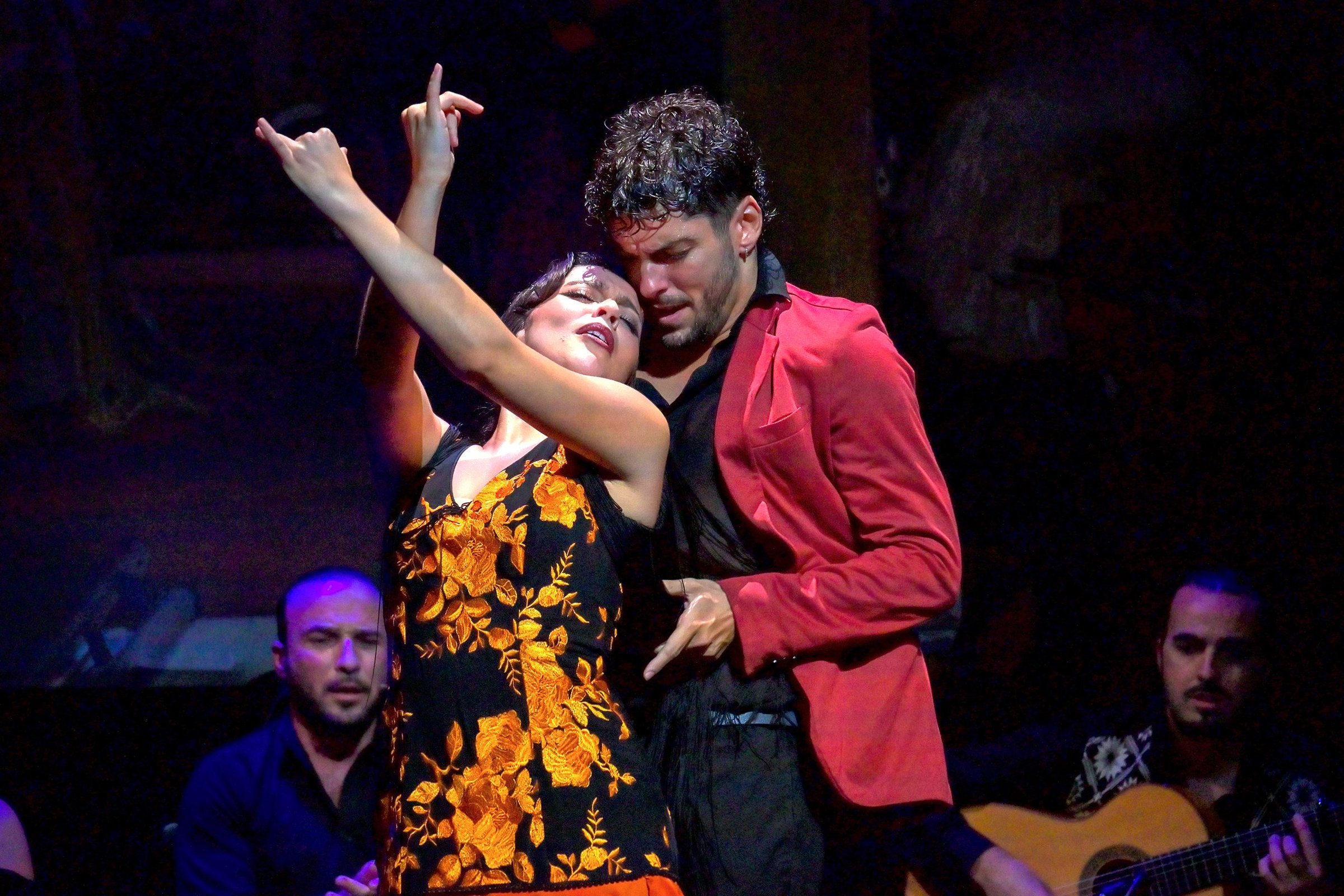
Teatro Flamenco Triana

Teatro Flamenco Triana — professional theater flamenco show in the birthplace neighbourhood of Seville
★ 4.74,427 reviews€25

A polished theater show set in Triana with renowned musicians, dancers and singers. No photos or video during the performance, which keeps the room focused. Arrive early to collect tickets.

Book from €25 →
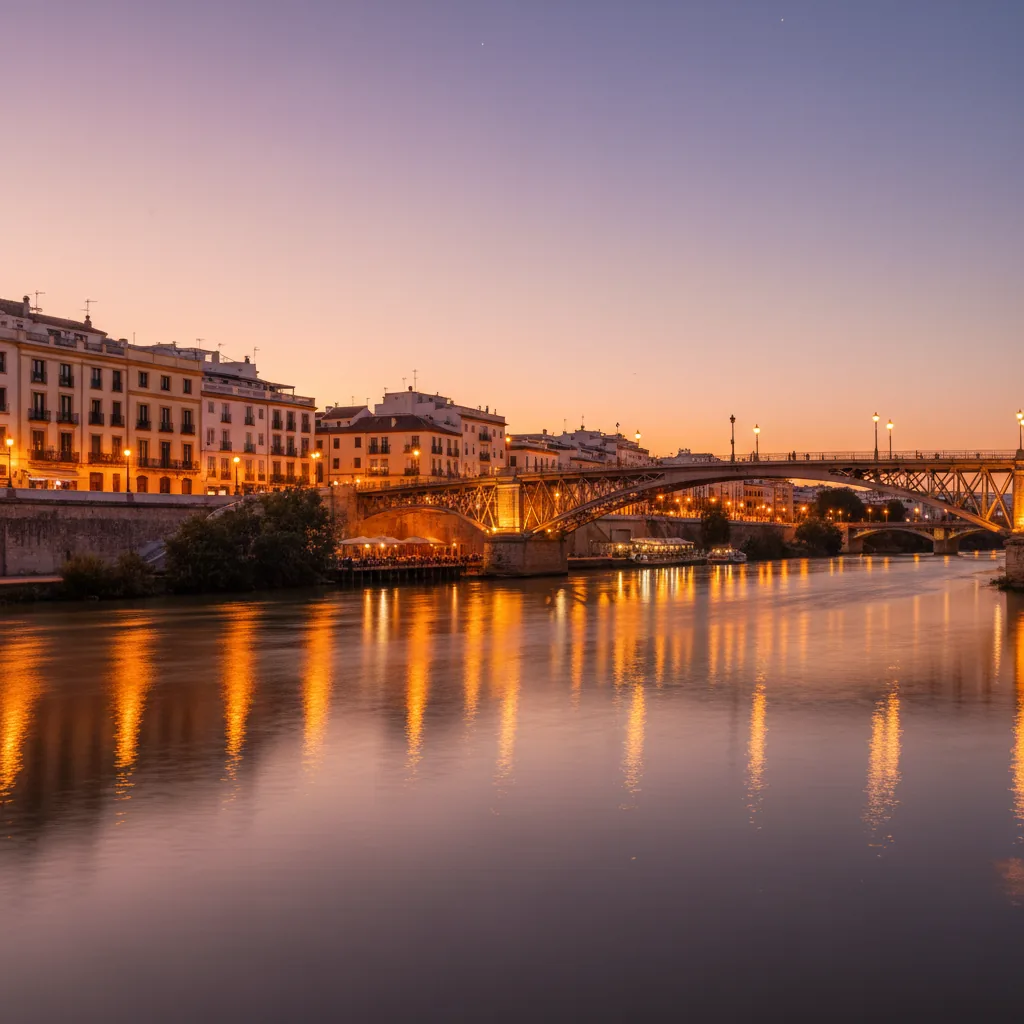
The Triana riverside in Seville at dusk — the Isabel II iron bridge over the Guadalquivir with Calle Betis bars lit up
Triana at dusk: the Isabel II bridge over the Guadalquivir, with the bars of Calle Betis lighting up along the water.
Want the polished version too? The most celebrated tablaos sit across the river in Santa Cruz — compare them in our ranking guide or browse every show in the city.

What is Casa Anselma, and how do you get in?

Ask any Sevillano about real flamenco in Triana and one name comes up: Casa Anselma. It's a tiny bar on Calle Pagés del Corro run by Anselma, a former bailaora of legendary reputation, and it operates on its own terms. There's no sign — look for the iron grille and the small line of people outside. It opens Monday to Saturday only, after about 11:30pm, takes no reservations and charges no entrance fee; you simply buy drinks while the singing, clapping and dancing erupt around you, sometimes from Anselma herself.

A few unwritten rules make the night: arrive late and be patient, keep your phone in your pocket (photos and video are firmly discouraged), and order a drink without being asked twice. It's not a show you watch so much as a room you join. If Casa Anselma is too late or too full, the bars along Calle Betis — El Rejoneo, Lo Nuestro — run live flamenco most nights with the same come-as-you-are spirit and a view of the river.

Reality check: spontaneous flamenco is unpredictable by nature — some nights are electric, others quiet. If you need a guaranteed performance on a schedule, book Baraka or Teatro Triana above and treat the bars as a bonus.

Beyond Flamenco

What else is there to do in Triana?

Things to do in Triana beyond flamenco Puente de Isabel II, the Triana bridge and gateway. Mercado de Triana, food market over the Castillo de San Jorge and old Inquisition site. Centro Ceramica Triana, the neighbourhood's tile-making tradition. Capilla de los Marineros, home of the Virgen de la Esperanza. Calle Betis, riverside tapas and views of the cathedral. Triana Beyond Flamenco 1Puente de Isabel IIThe 19th-century iron bridge — gateway to the barrio 2Mercado de TrianaFood market over the Castillo de San Jorge (old Inquisition HQ) 3Centro Cerámica TrianaThe barrio's famous azulejo tile-making tradition 4Capilla de los MarinerosHome of the beloved Virgen de la Esperanza de Triana 5Calle BetisRiverside tapas and the classic view of the cathedral
Make a day of it: market, ceramics, chapel and a riverside walk, then flamenco after dark.

How do you get to Triana, and when should you go?

Triana sits on the west bank of the Guadalquivir, a 10–15 minute walk from the cathedral across the Puente de Isabel II — the handsome ironwork bridge that is the barrio's front door. Calle Betis runs along the river just over the bridge, with the flamenco bars and the famous postcard view back toward the old town. For flamenco, the rhythm of the night matters: book a show for an early or mid-evening slot, then drift to the bars later, since the spontaneous sessions rarely warm up before 11pm.

Pair it with the rest of your trip: see our ranking of the best shows, the full list of every venue, what counts as authentic flamenco, what to wear, going with kids, or whether to choose Seville or Granada. For the bigger picture, the history of flamenco starts, fittingly, right here.

How we put this together: we combined the documented history of flamenco's origins in Triana with the live details of the two ticketed shows in the barrio and the long-running local bars, verified in June 2026. Bar schedules are informal and change — treat opening times as a guide, not a guarantee.
Rafa Giménez
Triana-born writer who has reviewed flamenco tablaos and peñas across Seville for over a decade.
Last updated: June 2026

Questions

Flamenco in Triana — FAQ

Why is Triana the birthplace of flamenco?+
Flamenco took shape roughly between 1750 and 1850 in the Romani (Gitano) patios of Triana, alongside Jerez and Cádiz. Triana was Seville's gitano quarter until the 1950s, and the community there shaped flamenco's song, dance and guitar. UNESCO listed flamenco as Intangible Cultural Heritage in 2010.
Where can you see flamenco in Triana?+
Two ways: a bookable show at Baraka Sala Flamenca (€27, drink included) or Teatro Flamenco Triana (€25); or something spontaneous in the bars along Calle Betis (El Rejoneo, Lo Nuestro) and the legendary Casa Anselma on Calle Pagés del Corro.
What is Casa Anselma?+
A legendary flamenco bar in Triana run by Anselma, a former bailaora. It opens Monday–Saturday only after about 11:30pm, has no sign (look for the iron grille and a small queue), takes no reservations and charges no entry — you just buy drinks. Phones and photos are discouraged.
How do you get to Triana from central Seville?+
Walk across the Puente de Isabel II (the Triana Bridge) — a 10–15 minute stroll from the cathedral over the Guadalquivir. Triana sits on the west bank, with Calle Betis running right along the river.
What else is there to do in Triana?+
Visit the Mercado de Triana (built over the Castillo de San Jorge, the old Inquisition HQ), browse ceramics at Centro Cerámica Triana, see the Virgen de la Esperanza in the Capilla de los Marineros, and have tapas with river views along Calle Betis.
Is flamenco in Triana better than central Seville?+
It's more raw and local. Central Seville has the polished, professional tablaos; Triana offers the birthplace atmosphere, riverside bars and late-night spontaneity. Many visitors do both — a ticketed tablao one night, a Triana bar the next.

See Flamenco Where It Was Born

Book Baraka Sala Flamenca on the Triana riverside — a drink included, free cancellation up to 24 hours before.

Book Baraka in Triana →