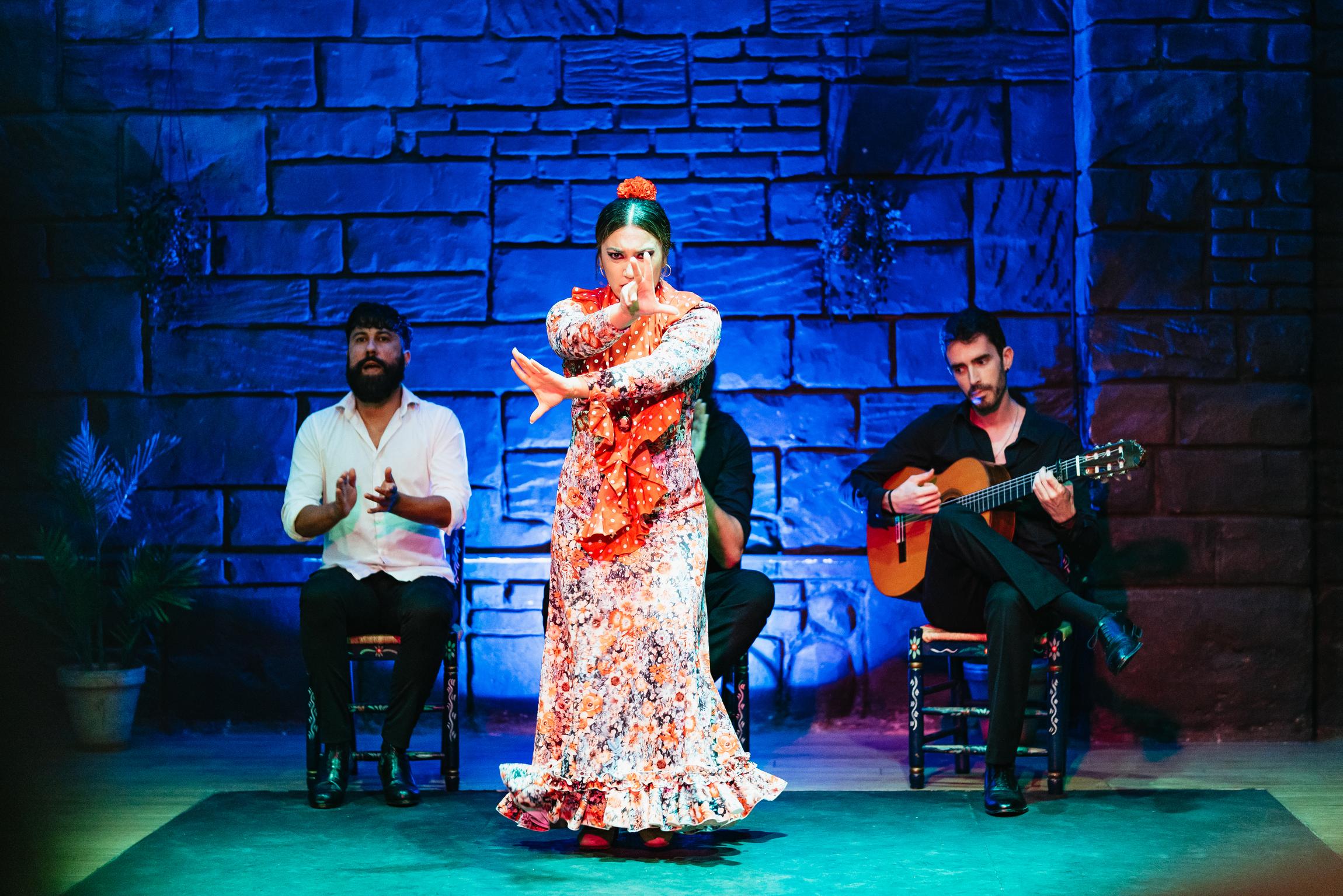
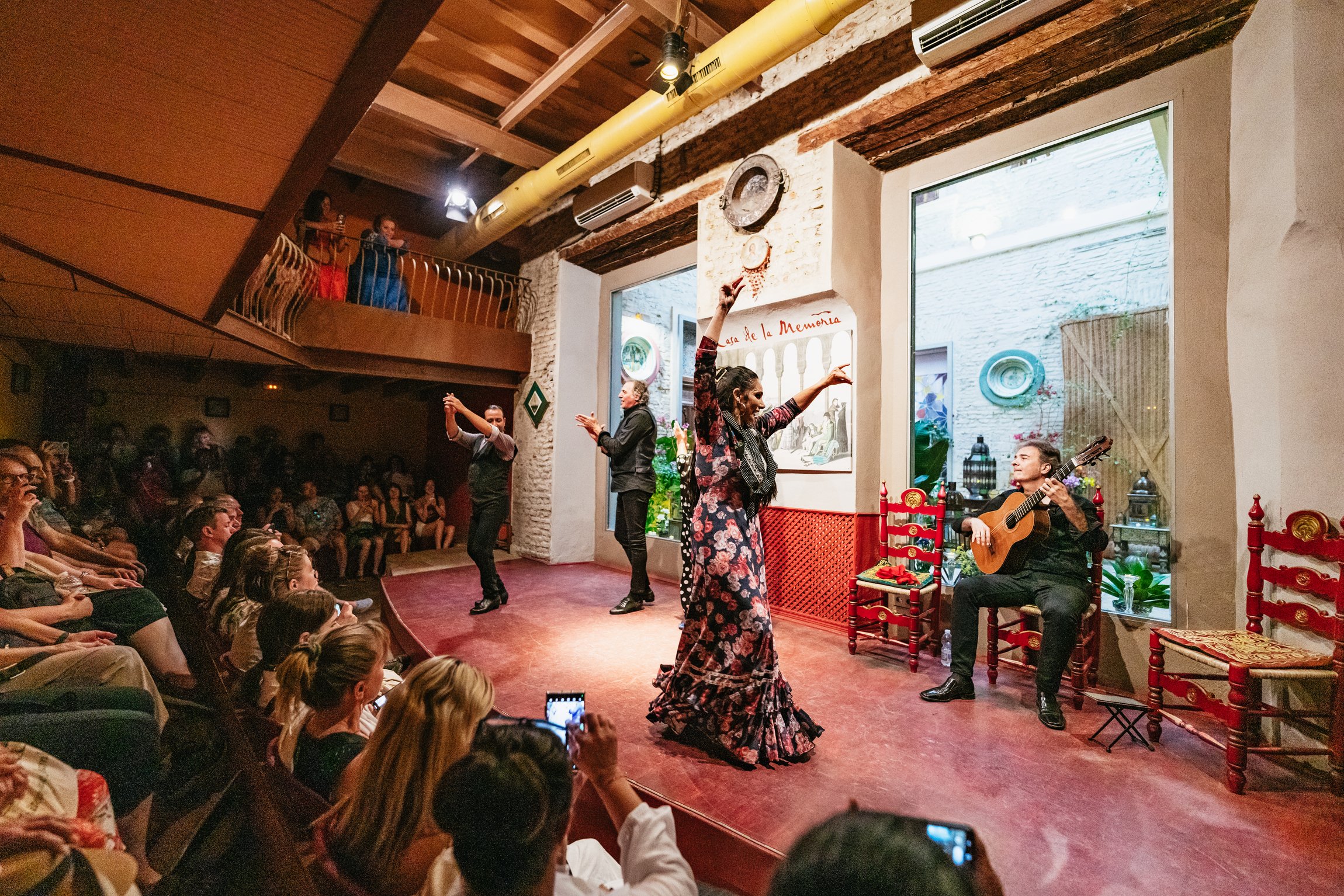
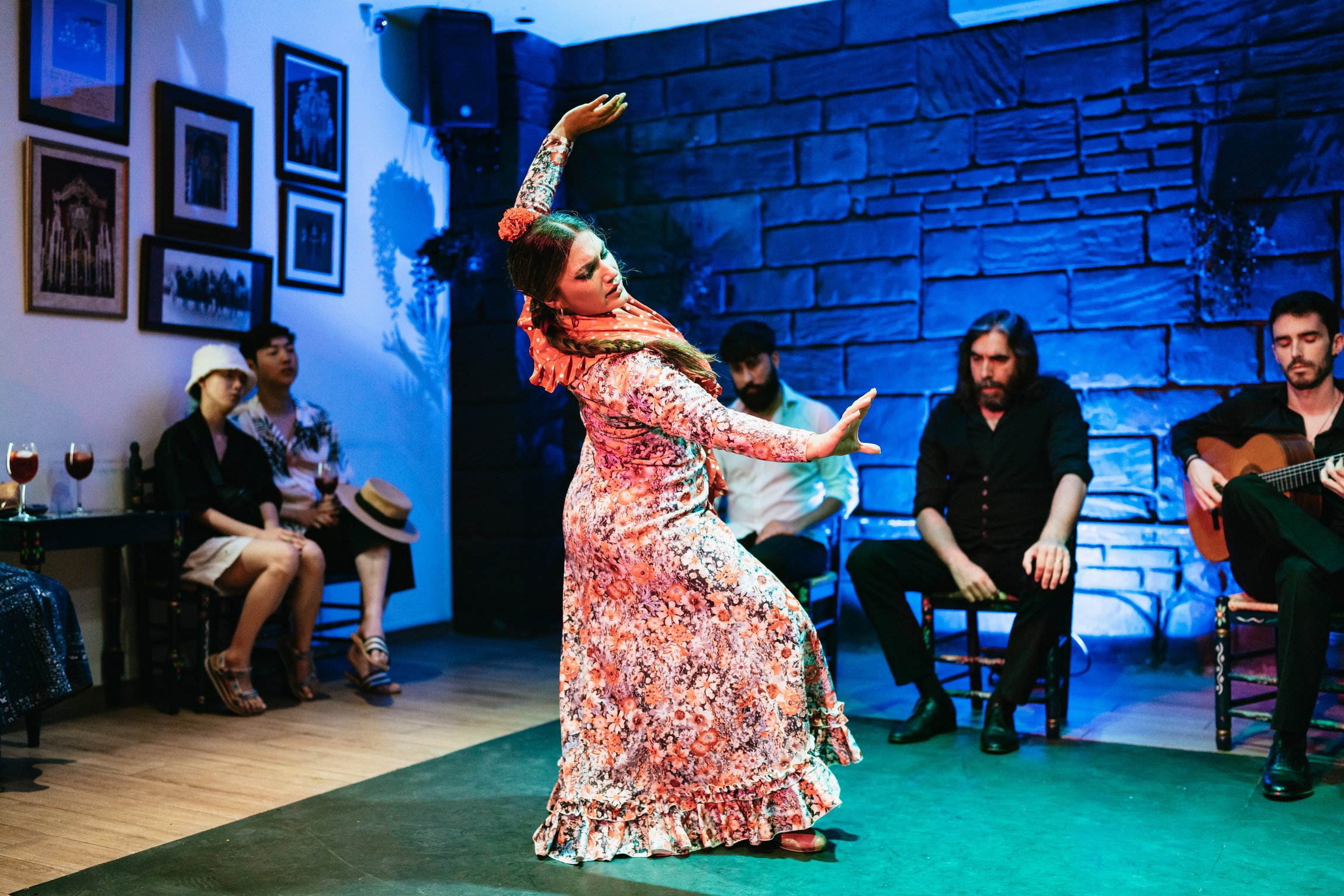
Walking through the Santa Cruz neighbourhood at night is something else. The air smells like jasmine. Old stones under your boots. Suddenly, a sharp crack — a heel on wood. Then a guitar. Then a voice that sounds like it's coming from somewhere under the earth. That is how you find it. You don't look for flamenco. You just stop walking when you hear it.
But most people end up at a tourist trap. The dancing is stiff, the performers look bored, and the sangria is definitely from a supermarket carton. This guide exists so that doesn't happen to you.
The History and Soul of Flamenco in Seville
Flamenco is a mix of grief and survival. It started with the Gitanos — the Romani people — who came to Spain centuries ago. They were fleeing persecution. They mixed their music with Moorish, Jewish, and Andalusian folk traditions. The result was something that had no name for a long time. It was just what people sang when they were sad, or in love, or dying.
The soul of it is duende. Untranslatable. Maybe just a physical reaction to art — when the performer loses themselves and the audience feels that shift. The guitarist's hand moves differently. The dancer's jaw tightens. The singer goes somewhere else. That moment is what you're paying for.
The Cafés Cantantes era was the turning point in the 1860s. Singers and dancers began competing in smoke-filled rooms. This competition forced the art to get technical — better footwork, more complex rhythms. Flamenco became a profession. Seville was the capital of that world, and it still is. (For the full timeline, see our history of flamenco.)
The Three Pillars: Cante, Baile, and Toque
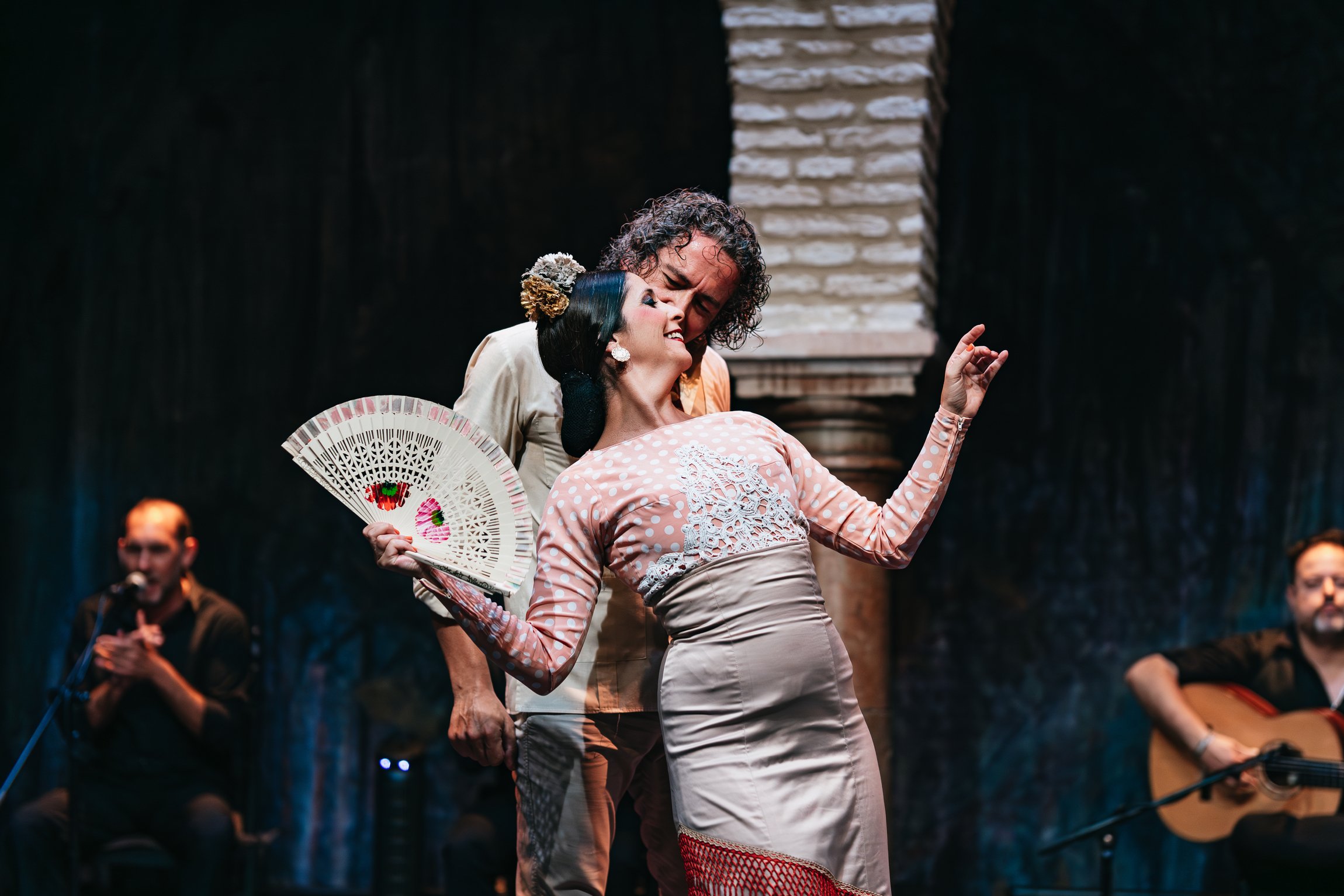
Most people watch the dancer. The dresses are bright. The footwork is insane. But the singer — the cantaor — is the actual boss. If the singer isn't feeling it, the show is dead.
- Cante (The Song): The foundation. The voice is gravelly, strained — they call it voz afillá. It sounds like it costs something. The songs are called palos, each with a different emotional register.
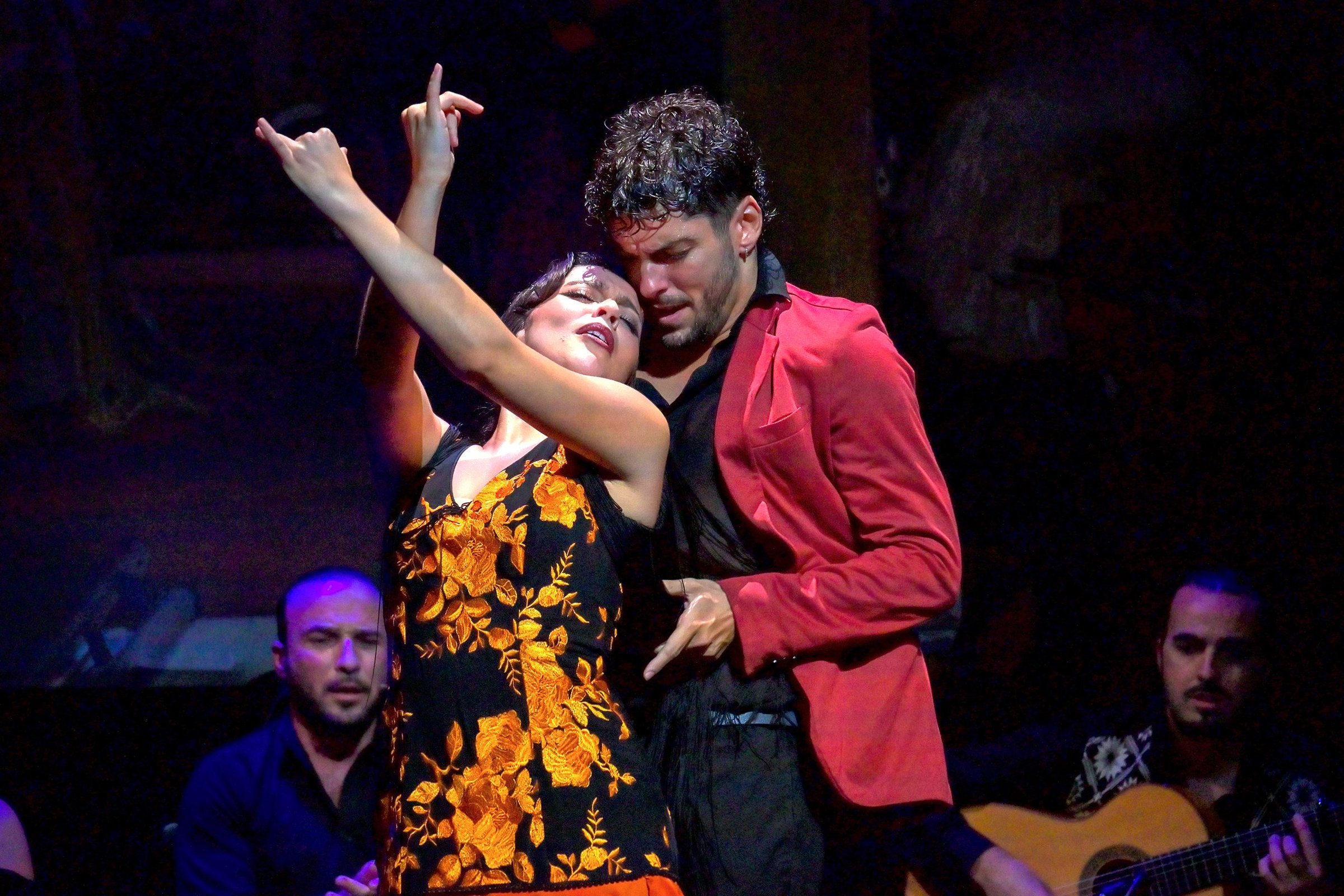
- Baile (The Dance): The part everyone sees. But it's a response to the music, not independent of it. The dancer and the singer are in a constant dialogue — partly rehearsed, partly improvised.
- Toque (The Guitar): Not background music. The guitarist is always in conversation with the other two. Watch their hands during the breaks — they're setting up the next emotional turn.
Exploring Triana: Where Flamenco Was Born
Cross the Isabel II bridge. Now you're in Triana — the old Gitano quarter. Historically the rough side of Seville, home to sailors and blacksmiths who forged the sound of flamenco in their kitchens and courtyards. Walking down Calle Betis, you're in the cradle.
Triana has a different energy from the historic centre. Less about big stages, more about small bars. The shows here feel less produced, more personal. If you want flamenco that feels like it's happening for the performers rather than at the tourists, come here.
The Difference Between a Tourist Show and a Local Peña
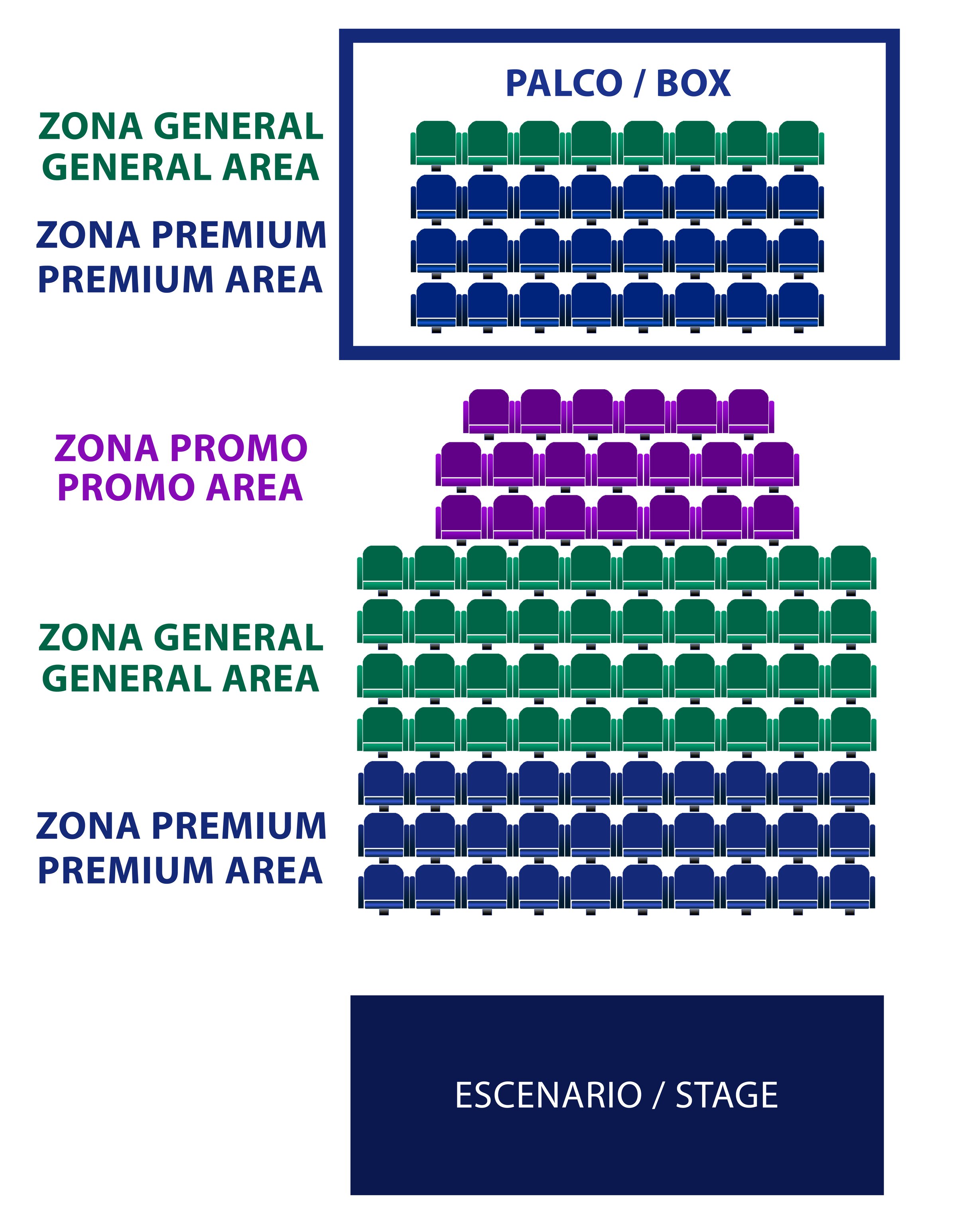
This is where it gets complicated. A tourist tablao is a guaranteed performance — you buy a ticket, you get a seat, professionals perform. They are usually excellent. Don't let "tourist" become a slur. Casa de la Memoria, Puro Flamenco, and Baraka are all "tourist" in that they sell tickets to visitors — and they're all genuinely exceptional.
A Peña Flamenca is different. It's a non-profit association, often in a basement or community centre, where the real aficionados go. Peña Torres Macarena in the Macarena neighbourhood is legendary. But: you need to know when they're performing, you need to speak Spanish, and you need to be comfortable in an environment that is absolutely not designed for visitors. Worth it if you can manage it.
The rule of thumb: if you want a guaranteed excellent evening, book a tablao — our authentic-flamenco guide covers which ones feel most real. If you want a story to tell for the rest of your life — find a peña.
What to Expect at a Seville Flamenco Performance
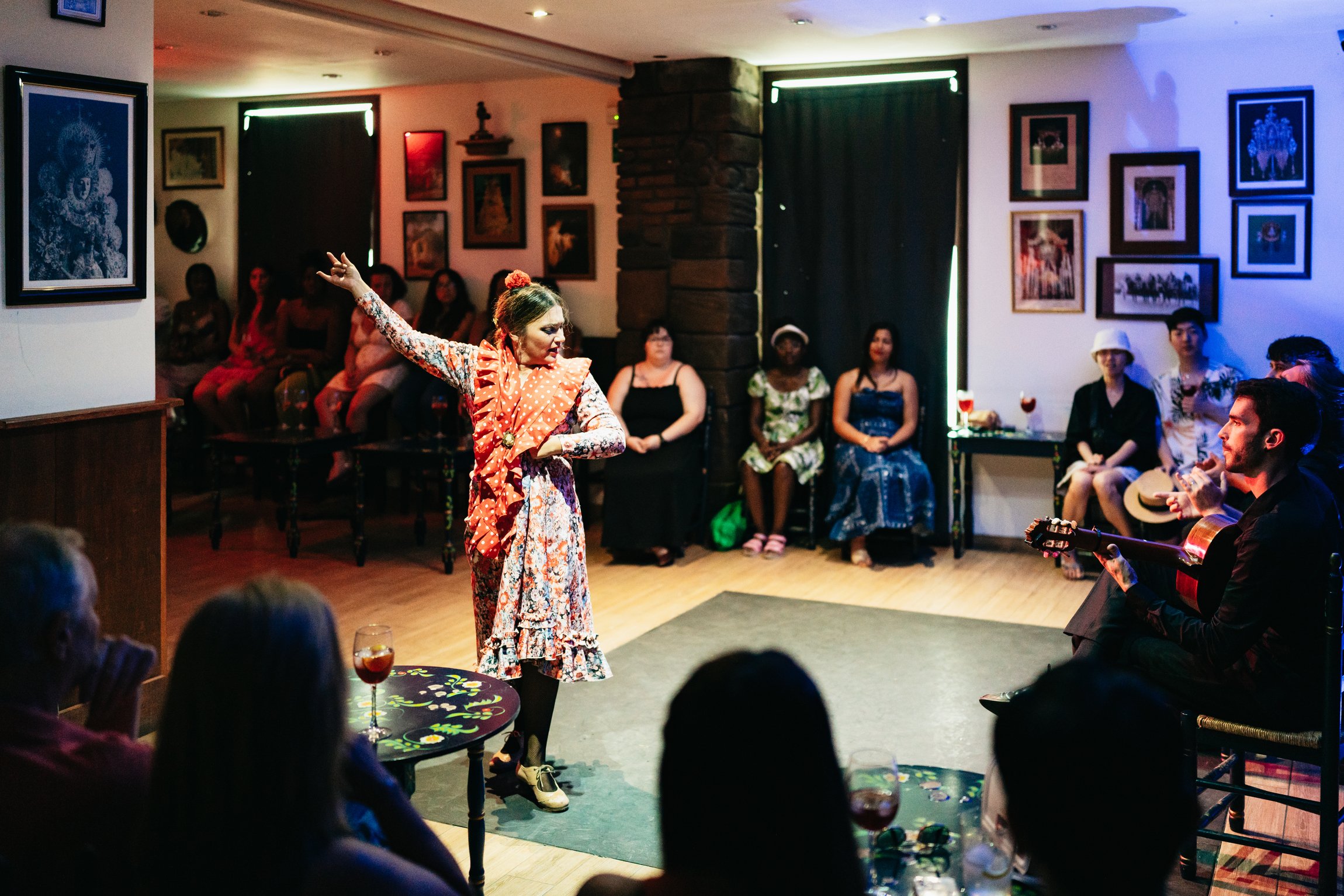
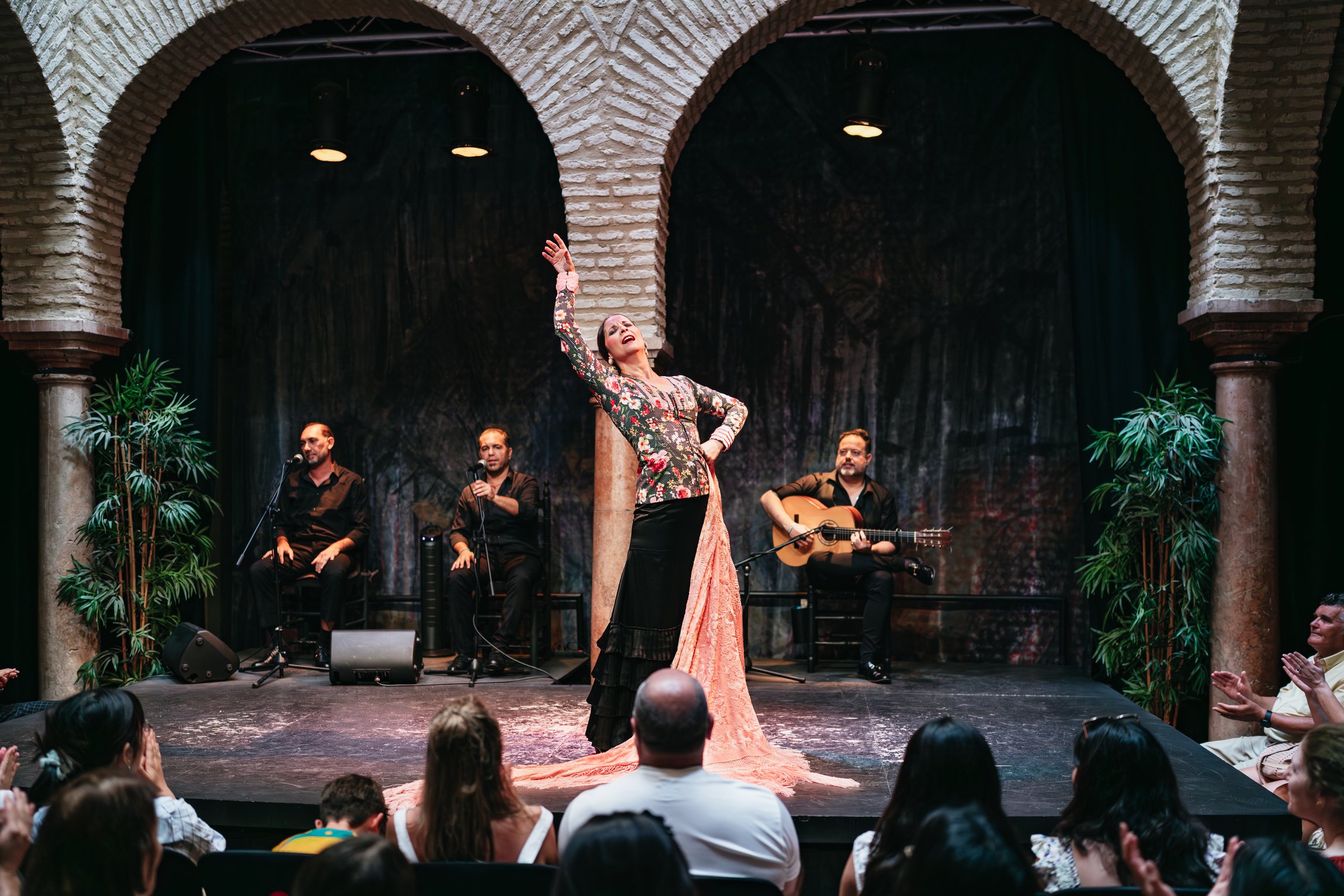
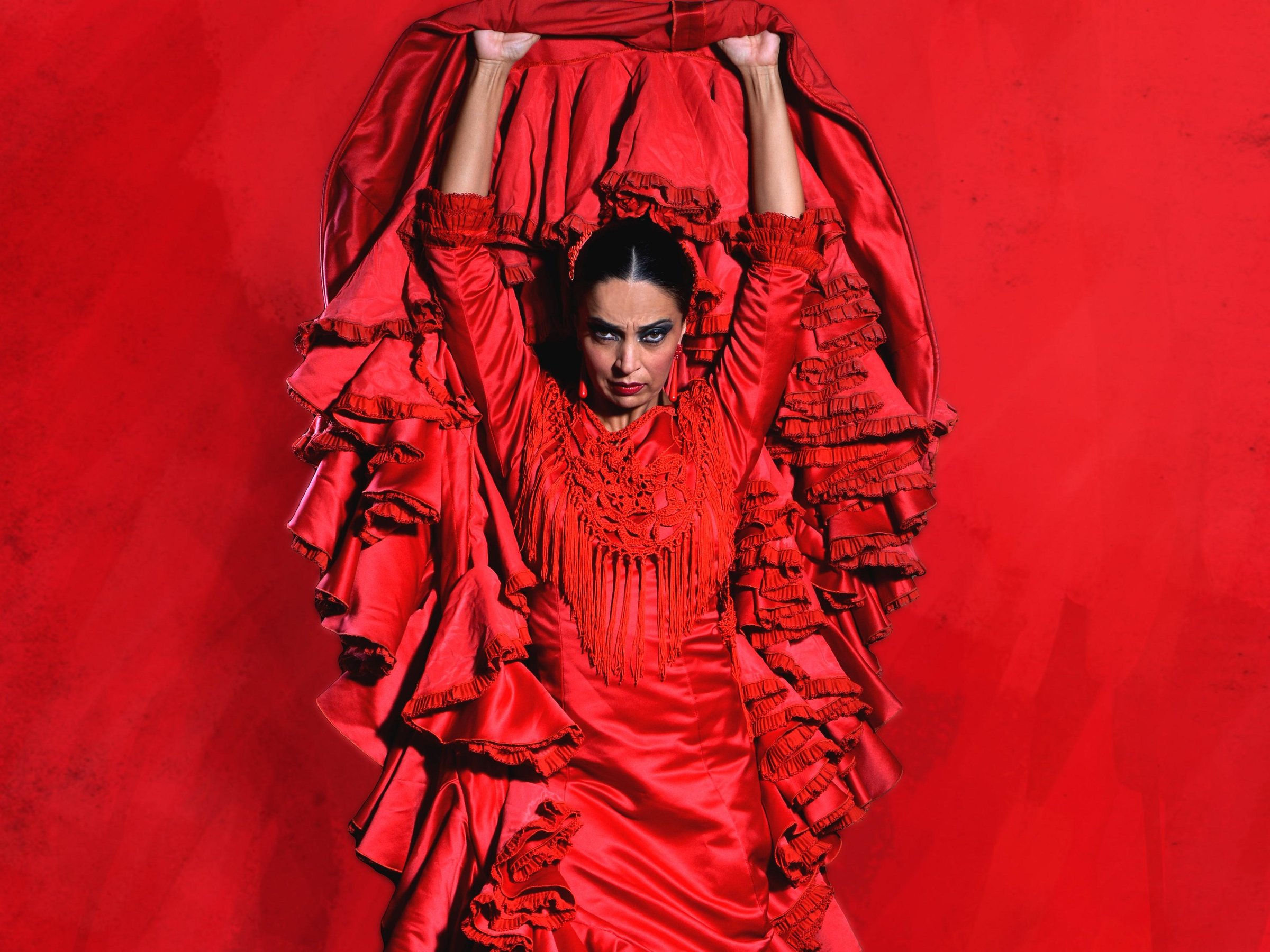
Expect it to be loud. Expect the performers to look angry — they're not. It's entrega: total devotion to the emotion. The dancer's face will contort. The singer may seem to be in pain. They are both in a state of full feeling.
The show usually starts with guitar and song alone. The dancer appears later. Their interaction is largely improvised — they look at each other constantly, signalling, adjusting. What feels like spontaneous fire has taken years of training to produce.
The audience is expected to respond. Olé after a particularly intense moment is not only acceptable — it's part of the form. But don't clap along. The rhythms are 12-beat cycles with accents in unexpected places. If you clap on a "regular" beat, you'll be off by miles and you'll throw the performers. Watch instead.
Should You Get the Dinner + Show Package?
Blunt answer: don't eat at the flamenco show. Most dinner-and-show packages offer mediocre food at inflated prices — you end up paying double for the convenience. Seville is one of the great food cities of Spain. Eat at a tapas bar first (try Eslava or Las Teresas around 8:00pm), then book a 10:00pm show that only includes drinks.
The exception: if you specifically want a full evening out without logistics — cocktail included, settled in one place — Tablao Las Setas and Baraka Sala Flamenca do this well. You get a cocktail included in the ticket, the shows are excellent, and you don't sacrifice quality for the format. We compared every option in our flamenco-with-dinner guide.
What to Wear and How to Behave
You don't need a tuxedo. But please leave the flip-flops and cargo pants at the hotel. People in Seville dress up when they go out. Smart casual is the baseline — a dress or blouse for women, a collared shirt for men. Our what-to-wear guide breaks it down by season and venue.
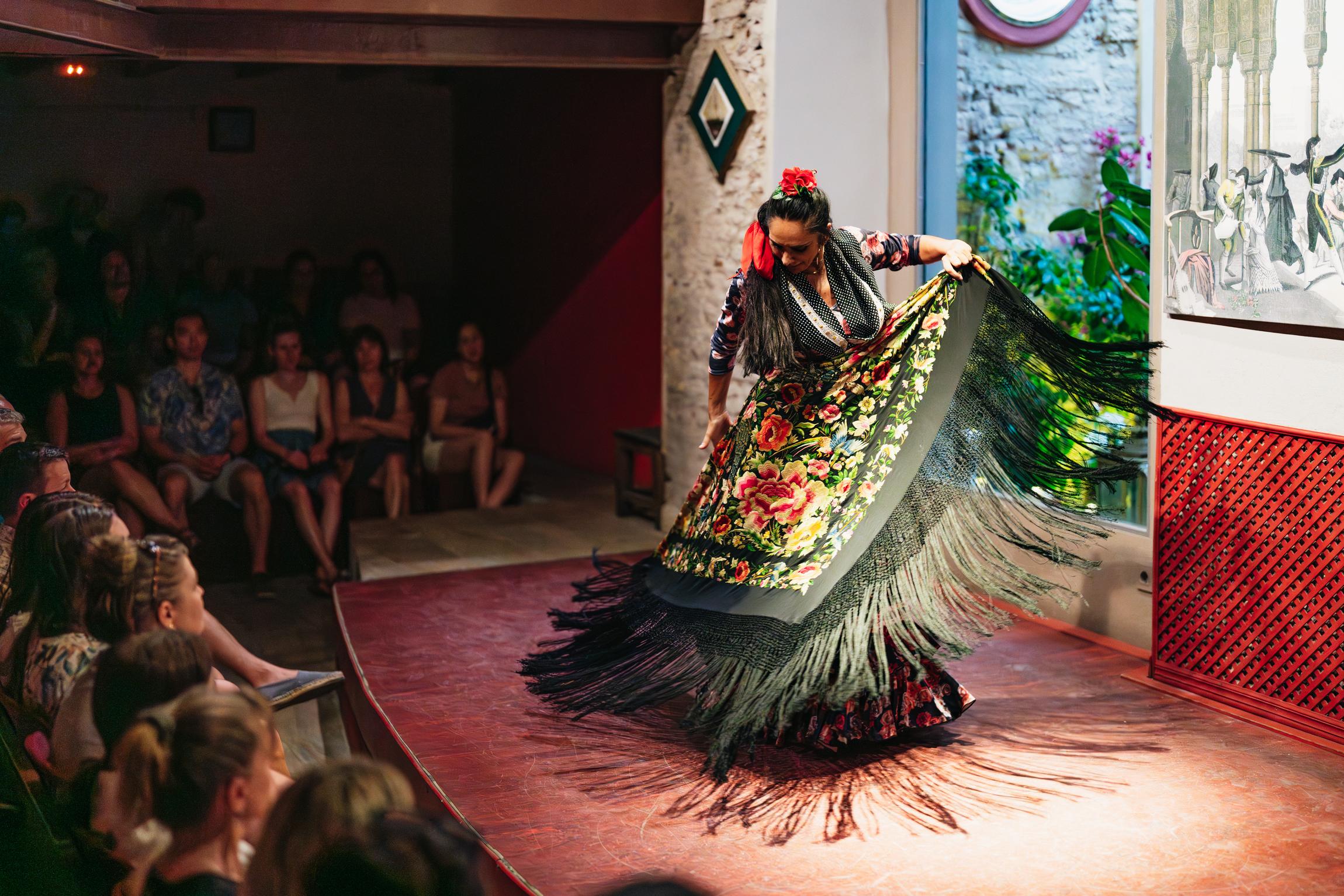
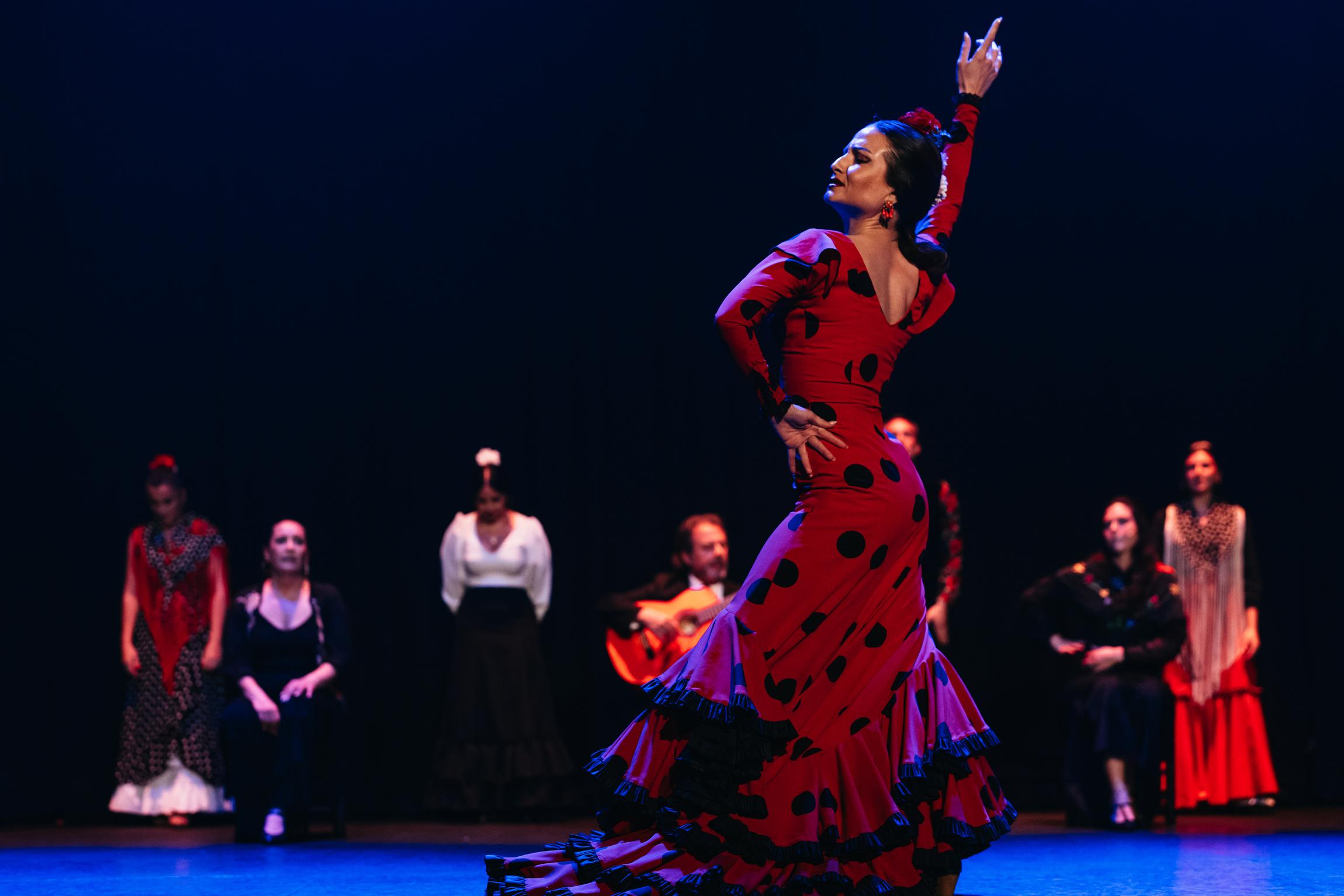
The polka-dot dress is not a costume. It's the traje de flamenca, the traditional dress of the women of Seville, worn at festivals, fairs, and — yes — flamenco shows. If you see someone wearing one in the audience, they're probably local.
Practical: bring a light layer. Even in July, the energy in tablao rooms gets intense — but the A/C works hard. Arrive 10–15 minutes early. Seating at many tablaos (especially Casa de la Memoria) is first-come, unreserved — arrive early for a front-row position.
How Much Should You Pay?
Tickets in Seville range from free (La Carbonería — free entry, buy drinks) to €28 for shows with cocktails included. The sweet spot is €20–€25 for a quality tablao with live guitar, cante, and at least two dancers.
- Budget (€20): Casa de la Guitarra — entry-only tablao with access to a historic guitar collection. Intimate, genuine.
- Best value (€22): Casa de la Memoria — the most celebrated tablao in Seville at a fair price. Book well ahead.
- Premium (€27–28): Baraka Sala Flamenca or Tablao Las Setas — show plus drink, excellent quality, slightly more social atmosphere.
Booking online in advance costs the same as at the door but guarantees your seat. In July and August, shows sell out days ahead.
Ready to Book?
Use the comparison table above to pick your show, or browse all options directly on GetYourGuide.
Compare All 7 Shows →